

Bartakke Enclosures
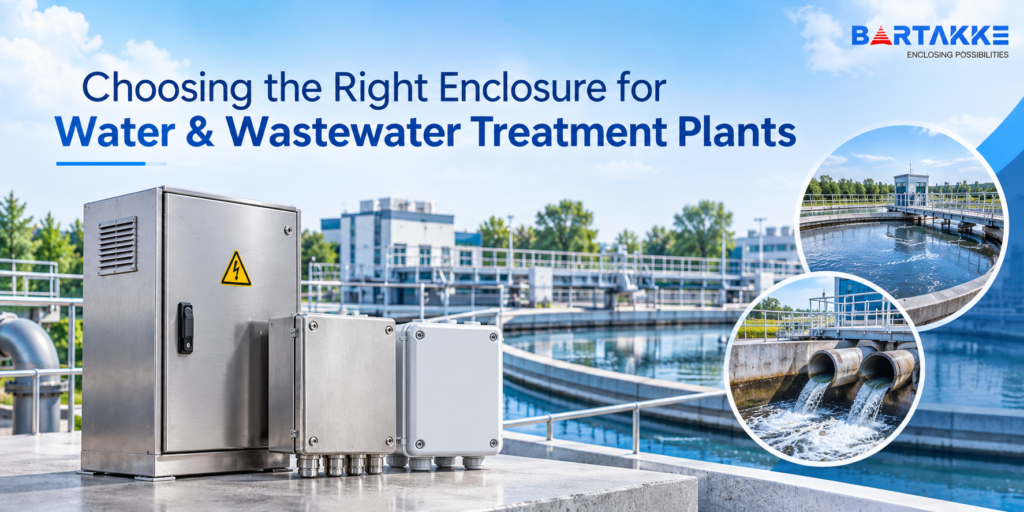
Water and wastewater treatment enclosures must resist constant humidity, chemical exposure (chlorine, sulfides), and, for outdoor installations, direct weather. That typically means IP66-rated stainless steel, or high-grade coated mild steel, with a NEMA 4X specification where the project requires it. Getting the material and rating wrong here leads to premature corrosion and control-panel failures.
Key takeaways
- Water and wastewater sites combine humidity, chemicals, and weather, so corrosion is the main failure mode.
- IP66 is the baseline for outdoor and washdown areas, and IP54-IP65 can suit protected indoor zones.
- SS316 and non-metallic enclosures outperform SS304 or standard coated mild steel in chlorine, chloride, and sulphide exposure.
- The right specification depends on the plant zone: intake, chemical dosing, aeration, and outdoor pump stations all differ.
- Gaskets, cable glands, and coating are the usual failure points, so inspect them on a schedule.
Environmental challenges specific to water and wastewater sites
A treatment plant is one of the harshest places for electrical equipment, and the conditions change from one part of the plant to another. Five factors do most of the damage:
- Constant humidity and condensation. Moisture is present almost everywhere, and temperature swings cause condensation inside panels, even when the enclosure is sealed.
- Chlorine and chemical vapours. Dosing areas release vapours that attack metals, coatings, and gaskets over time.
- Hydrogen sulphide and other sulphides. These gases are common in sewage and sludge areas. They corrode copper and silver contacts inside the panel as well as the enclosure itself.
- Washdown, splash, and occasional flooding. Hosing, overflow, and rain can put water on enclosures from every angle.
- Outdoor exposure. Pump stations and outdoor panels face sun, heavy monsoon rain, and wide temperature ranges.
An enclosure that works well in a dry factory can fail within a year or two here, because the exposure is continuous rather than occasional.
Recommended materials and ratings
No single material is best everywhere. The right choice depends on what the enclosure is exposed to.
Material | Strengths | Limits | Best for |
Mild steel, high-grade coating | Strong and economical | Performance depends on coating quality; damaged edges expose bare steel | Indoor and sheltered panels |
SS304 | Good general corrosion resistance | Chlorides and chlorine vapour can cause pitting | Dry, low-chemical areas |
SS316 | Resists chlorides and aggressive chemicals | Higher cost | Dosing, coastal, and washdown areas |
Polycarbonate / GRP | Naturally corrosion resistant and light | Lower impact strength; UV exposure needs checking outdoors | Chemical rooms and smaller boxes |
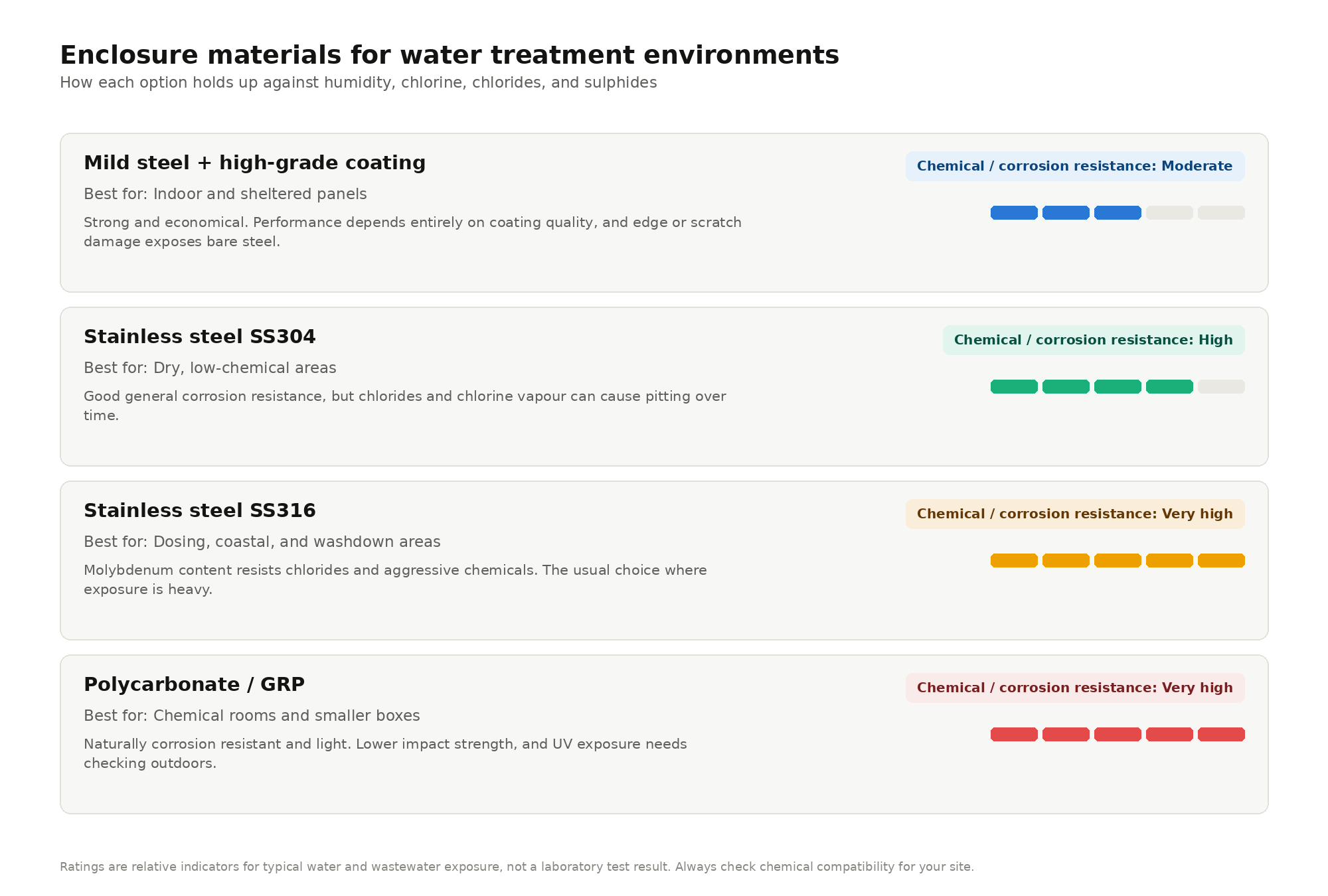
Fig 1: Enclosure materials for water treatment environments
On ratings, IP66 is the sensible baseline for anywhere that sees washdown, splash, or outdoor weather. It means the enclosure is dust-tight and protected against powerful water jets. For a closer look at how IP and NEMA compare, see our guide to NEMA vs IP ratings. Where a project specifies NEMA 4X, the corrosion-resistance requirement is the key addition, and the closest IP match is IP66. The two are not certified as interchangeable, so confirm which standard the client or consultant requires.
Plant-zone quick reference
Plant zones carry very different risks, so specifying one enclosure type for the whole site either wastes money or leaves problem areas exposed. This table gives a starting point.
Plant zone | Main hazard | Recommended specification |
Intake and screening | Splash, debris, humidity | IP66, SS304 or coated mild steel |
Chemical dosing room | Chlorine and chemical vapour | IP66, SS316 or non-metallic, sealed glands |
Aeration and biological treatment | Humidity, H2S, spray | IP66, SS316, plan ventilation |
Sludge handling | Sulphides, wet corrosion | IP66, SS316 |
Outdoor pump stations | Weather, flooding, UV | IP66 minimum, SS316 or heavy-duty coated steel |
Indoor control room | Low exposure | IP54-IP65, depending on cleaning practice |
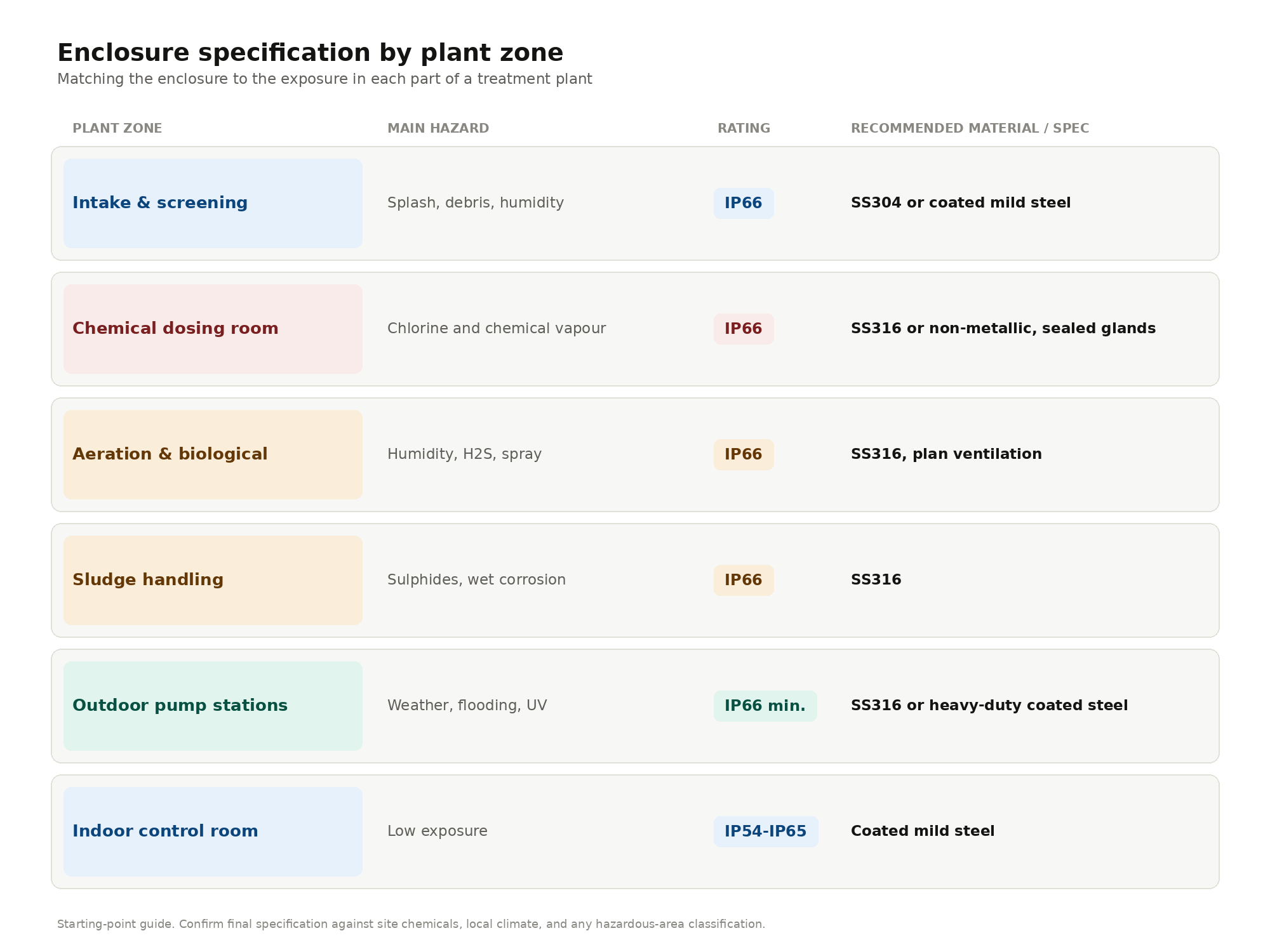
Fig 2: Enclosure specification by plant zone
Treat this as a starting point, not a final answer. Confirm the specification against the actual chemicals used, local climate, and any hazardous-area classification on site.
Indoor vs outdoor considerations
Outdoor enclosures face UV, direct rain, and heat from the sun. Look for a rating of at least IP66, a sun shield or canopy where heat is a concern, and a design that drains water away from doors and joints. In flood-prone areas, mount the enclosure above the expected water level or specify protection for temporary immersion. For a closer look at one outdoor application, read our post on waterproof enclosures for pump stations.
Indoor enclosures still deal with humidity, and many treatment buildings are damp and chemically active. Don’t assume an indoor room is a low-risk zone without checking how it is cleaned. If hoses are used, treat it as a washdown area and specify IP66.
Common failure points
Most enclosure failures at treatment plants trace back to a short list of causes:
- Degraded gaskets. Chlorine and ageing harden or crack seals, letting moisture in even when the enclosure looks intact.
- Poorly sealed cable glands. The entry point is often the weakest part of an enclosure, especially when the wrong gland or size is used.
- Coating damage. Chips and scratches at edges, cutouts, and fixings let corrosion start under the paint.
- Condensation inside the panel. Sealed enclosures can still collect moisture when temperatures swing.
- The wrong material for the chemical. Using SS304 where chlorides are present, for example, leads to pitting.
- Sulphide damage to internal contacts. Hydrogen sulphide can corrode terminals and relays inside a sealed panel.
Inspection schedule
Regular inspection catches most of these problems early. The intervals below are general guidance and should be adjusted to your site’s conditions and the manufacturer’s recommendations.
Item | What to check | Suggested frequency |
Door gaskets and seals | Cracking, hardening, compression set | Every 1-3 months |
Cable glands | Tightness, sealing, cracks | Every 3 months |
Coating and surface | Chips, rust, blistering | Every 3-6 months |
Internal condition | Moisture, condensation, corrosion on contacts | Every 3-6 months |
Hinges and locks | Free movement, corrosion | Every 6 months |
Plants with heavy chemical exposure should inspect more often than those with milder conditions.
Hazardous areas inside treatment plants
Some parts of a wastewater plant can become classified hazardous areas. Sewage digesters, wet wells, and biogas handling sections can release methane and hydrogen sulphide, creating an explosive atmosphere. In these locations, a corrosion-resistant enclosure is not enough. The equipment needs to be certified for the zone.
If your plant includes biogas recovery or digesters, review our guide to ATEX-certified enclosures before finalising specifications.
Buying checklist
Use this list when comparing quotes:
- Material grade confirmed for each plant zone (SS304, SS316, coated mild steel, or non-metallic)
- IP rating (and NEMA where required) matched to the exposure
- Coating system and test evidence, such as salt-spray results
- Gasket material suited to the chemicals present
- Cable gland types and sealing method specified
- Ventilation or condensation control planned
- Certifications supplied (ISO 9001, and ATEX or PESO for hazardous areas)
- Lead time and spares confirmed
Conclusion
The right enclosure for a water or wastewater plant is not a single product. It is a set of decisions matched to each zone: the material, the rating, the seals, and the inspection routine. Specify by exposure, keep an eye on the gaskets and glands, and confirm hazardous-area requirements where digesters or biogas are present.
To discuss your requirements, explore Bartakke’s Enclosures manufactured under ISO 9001:2015 with IP65/IP66-rated protection as standard.
Frequently Asked Questions
1. What IP rating is recommended for wastewater treatment enclosures?
IP66 is the standard recommendation for outdoor, washdown, and wet areas, as it protects against dust and powerful water jets. Protected indoor control rooms may use IP54-IP65 depending on how they are cleaned. Where flooding is possible, consider a higher level of protection against temporary immersion.
2. How does chlorine exposure affect enclosure material choice?
Chlorine and chloride-bearing vapours attack some metals and degrade gaskets. SS316 resists chlorides better than SS304, and non-metallic enclosures such as polycarbonate or GRP are naturally resistant. In dosing areas, choose SS316 or a non-metallic material, and use sealed glands and gaskets rated for the chemicals present.
3. Should outdoor pump station enclosures be stainless steel?
Often, yes. SS316 handles weather, humidity, and corrosive conditions well, and is the usual choice where exposure is heavy. Heavy-duty coated mild steel can work in milder conditions if the coating is high-grade and well maintained. The decision depends on local climate, chemical exposure, and budget.
4. How often should enclosures at treatment plants be inspected?
A common approach is to check gaskets and cable glands every one to three months, and coating, internal condition, and hinges every three to six months. Plants with heavy chemical exposure should inspect more often. Adjust the schedule using your site’s history and the manufacturer’s guidance.
5. Does Bartakke supply enclosures specifically rated for chemical exposure?
Bartakke manufactures stainless steel (SS304 and SS316) and coated mild steel enclosures under ISO 9001:2015, and works with customers on custom specifications for demanding environments. For chemical-exposure applications, contact our engineering team with the chemicals and concentrations at your site so the material and sealing can be matched.
6. Can I use mild steel enclosures in a wastewater plant?
Yes, in the right places. High-grade coated mild steel suits indoor and sheltered panels where exposure is low, and coating quality matters more than the steel itself. For dosing, aeration, sludge, and coastal areas, SS316 or a non-metallic enclosure is a safer long-term choice.