

Bartakke Enclosures
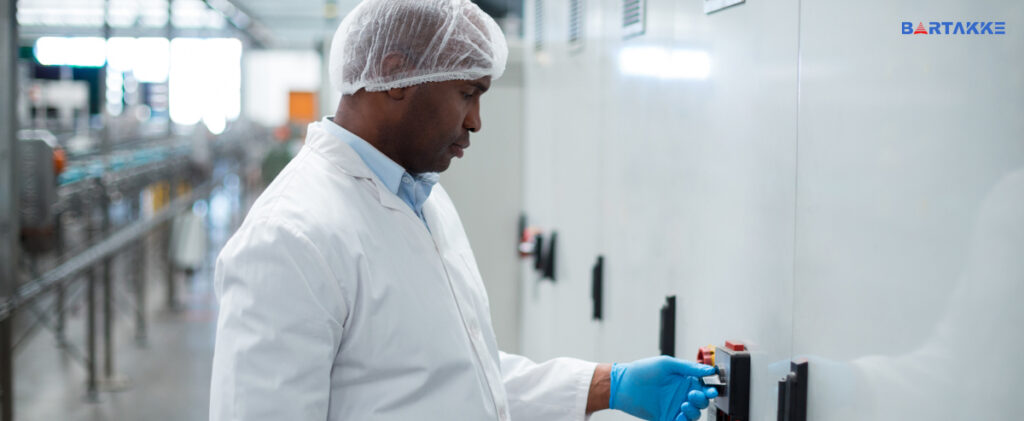
Why Electrical Enclosures Matter More Than Ever in Pharma
Pharma manufacturing is going through a big tech upgrade – and a lot of it depends on equipment that most people never think about like electrical enclosures.
What’s New in Pharma Technology
A few big shifts are happening at once.
More automation, less manual work. Companies are moving away from disconnected, manual systems toward connected, AI-powered operations. Low-code platforms are helping pharma teams roll out new processes faster, across multiple sites, without redoing every approval from scratch.
Smarter robots on the floor. Robots aren’t just repeating the same task anymore. They now use cameras and sensors to work safely in sterile areas, cutting down contamination caused by human error. Self-driving robots also move materials around the facility on their own.
Real-time quality checks. Instead of testing a batch after it’s made (and finding problems too late), factories are now using sensors and live monitoring to catch issues as they happen.
Smarter cleanroom design. More facilities are shifting to Grade C and D cleanrooms, using sealed isolator systems that keep the strictest (Grade A) conditions inside a smaller unit – while the room around it doesn’t need to be as strict. This saves money compared to keeping an entire large cleanroom at the highest standard. On top of that, single-use equipment, modular cleanrooms, and closed processing systems are becoming the norm, making changeovers faster and lowering contamination risk.
Why Electrical Enclosures Are So Important in Pharma
Here’s the simple truth: none of this new technology works without a safe housing to protect it.
Every sensor, control panel, HMI screen, PLC, and robotics controller needs a box around it that can survive a cleanroom environment. That box is the electrical enclosure – and in pharma, it has a tough job:
- Keep out dust, moisture, and cleaning chemicals
- Survive repeated washdowns
- Have zero gaps or crevices where bacteria could grow
- Pass strict audits from regulators like the FDA, WHO, and GMP inspectors
If the enclosure fails any of these, it can become the actual source of contamination – which is why auditors check it closely.
Where Demand for Pharma Enclosures Is Heading
Based on where the industry is going, here’s what pharma companies are asking for more of:
- Stainless steel (304/316L) instead of mild steel – it resists rust and bacteria
- IP66-rated, smooth, gap-free designs that can be sanitized again and again
- Modular, customizable enclosures – matching the industry’s move toward modular cleanrooms
- Enclosures built for automation – housing PLCs, HMIs, and robotics controllers, not just basic switches
- Pre-built compliance – GMP, FDA, WHO, CE, and ISO 9001:2015 standards baked in from the start, so nothing slows down during an audit
Enclosure Types for Pharma & Cleanrooms
This is exactly what Bartakke Enclosures builds for pharma and cleanroom use:
- IP66 wall-mounted stainless steel enclosures
- Floor-standing enclosures (FS and SBD-NX series)
- Riveted wall-mounting boxes
- All in hygienic-grade 304/316L stainless steel, with smooth corners, sloped tops, sealed gaskets, and electropolished finishes – built for Class 100–10,000 cleanroom standards
Common uses include environmental monitoring systems, cleanroom access control panels, HVAC control cabinets, sterilization equipment housing, PLC enclosures, and tablet/blister packaging control panels.
Frequently Asked Questions
Why do pharma cleanrooms need special electrical enclosures?
Because standard enclosures can trap dust and bacteria in their seams and corners. Pharma cleanrooms need smooth, gap-free, IP66-rated stainless steel enclosures that can be sanitized without breaking down or contaminating the space.
What material is best for pharma enclosures?
304 or 316L stainless steel is preferred because it resists corrosion, is bacteria-resistant, and holds up under repeated washdown and sanitization.
What is driving demand for pharma enclosures right now?
Growing automation, smart sensors, modular cleanroom design, and stricter GMP/FDA compliance requirements are all pushing demand toward higher-grade, cleanroom-certified enclosures.
What standards should a pharma enclosure meet?
Look for GMP, FDA, and WHO compliance, IP66 ingress protection, CE certification, and ISO 9001:2015-certified manufacturing.