

Bartakke Enclosures
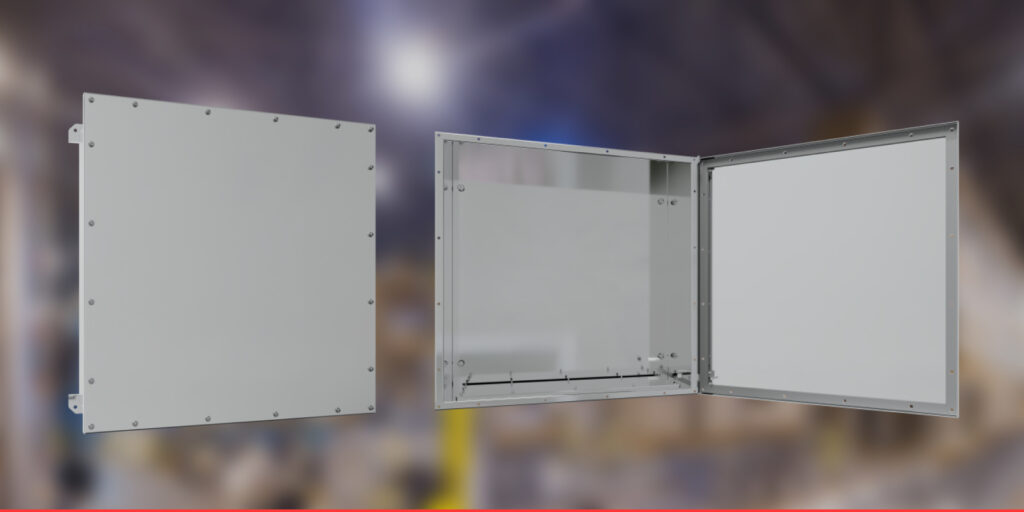
ATEX & IECEx Certified Electrical Enclosures Explained
In industries such as oil and gas, petrochemicals, mining, and chemical processing, explosive atmospheres are a constant risk. In these environments, safety depends on the quality and reliability of the equipment used. Every component must be designed, tested, and certified to prevent ignition of flammable gases or dust. This is where ATEX and IECEx certifications play an important role, especially for critical components like electrical enclosures. Learn about ATEX & IECEx Certified Electrical Enclosures Explained – their importance, safety standards, and uses in hazardous industrial environments.
This article explains what ATEX and IECEx certifications mean, why they are essential for electrical enclosures, and how manufacturers like Bartakke Enclosures ensure compliance with these international safety standards.
What is an Electrical Enclosure?
An electrical enclosure is a protective cabinet or box used to house electrical or electronic components. It shields equipment from dust, water, heat, and corrosion. In hazardous environments, it also prevents sparks or internal explosions from igniting the external atmosphere. In other words, the enclosure acts as both protection and containment, keeping operations safe.
What is ATEX Certification?
ATEX stands for “ATmosphères EXplosibles,” referring to two European Union directives that govern equipment used in explosive atmospheres:
- ATEX 2014/34/EU: Focused on manufacturers and equipment design.
- ATEX 1999/92/EC: Focused on safety requirements for end users.
To receive ATEX certification, equipment must be tested to ensure it cannot ignite the surrounding atmosphere due to sparks, high surface temperatures, or electrical faults. The certification is legally required in the EU for any equipment used in hazardous areas.
ATEX vs. IECEx: What’s the Difference?
What is IECEx Certification?
IECEx stands for the International Electrotechnical Commission Explosive certification system. It is a global standard that ensures products meet international safety requirements for explosive environments. Unlike ATEX, which is EU-specific, IECEx certification allows for broader global acceptance.
The IECEx system includes equipment testing, audits, and documentation, ensuring transparency and trust in safety performance. While both ATEX and IECEx aim to ensure explosion safety, IECEx involves more rigorous third-party testing and is often preferred for international use. ATEX remains mandatory within the European Union.
Why ATEX and IECEx Certifications Matter for Enclosures
Electrical enclosures in hazardous zones do much more than protect equipment—they prevent accidents. Certified enclosures are designed to contain internal explosions and stop flames or hot gases from escaping. Key features include:
- Explosion containment: Enclosures hold any internal blast safely.
- Surface temperature control: Prevents the surface from reaching ignition temperatures.
- Ingress protection: Keeps out dust and moisture (typically rated IP66 or higher).
- Corrosion resistance: Stainless steel (often SS316L) ensures long-term durability.
- Compliance and insurance: Certified enclosures are often mandatory for regulatory and insurance approval.
Common Applications of ATEX & IECEx Enclosures
These enclosures are commonly used in:
- Oil and gas facilities
- Petrochemical plants
- Mining operations
- Offshore platforms
- Chemical manufacturing units
- Power generation and substations
Each of these environments involves the risk of flammable gases or dust, making certified enclosures essential.
Understanding ATEX Hazard Zones
ATEX classifies hazardous areas based on how often explosive atmospheres are present:
Gases, Vapors, or Mist
- Zone 0: Continuously or frequently present
- Zone 1: Occasionally present
- Zone 2: Rarely or briefly present
Dust or Fibers
- Zone 20: Continuously or frequently present
- Zone 21: Occasionally present
- Zone 22: Rarely or briefly present
The zone classification determines the level of protection required for the equipment.
Temperature Ratings for ATEX Equipment
Explosion-proof equipment is also rated by its maximum surface temperature, known as the T-rating. The rating ensures that the equipment surface remains below the ignition temperature of the surrounding material. Ratings range from T1 (≤450°C) to T6 (≤85°C). Selecting the correct T-rating is crucial for safe operation.
Bartakke’s Commitment to Safety and Certification
At Bartakke Enclosures, safety is built into every product. Our Explosion Proof Enclosures are designed and tested to meet both ATEX and IECEx standards, along with PESO requirements for use in India.
We use SS316L stainless steel for exceptional corrosion and heat resistance. Each enclosure offers IP66 protection, durable coatings, and industrial-grade finishes. Every unit undergoes detailed inspection and third-party testing to ensure compliance, reliability, and long service life.
Bartakke’s approach is simple—deliver enclosures that perform safely and consistently in the most demanding environments.